The exact cause of acne is not known, but the following factors are considered important:
What causes acne? Surprisingly, the common medical answer is that the exact cause of acne is unknown. This humble answer appreciates the complexities of the processes that take place in our body. However, it does not mean that we don't understand anything about acne. On the contrary, we have a good grasp of most of the pieces of the puzzle that result in acne, and as a result, the effectiveness of acne medication has improved significantly in recent years.
Acne formation involves complex hormonal, bacterial, and inflammatory processes that intertwine with each other.
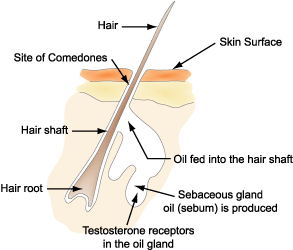
Larger amounts of sebum (skin oil) are produced, and the composition of the oil also changes. Scales are produced on the walls of the hair follicle which build up and block the pore. This process produces comedones-blackheads and whiteheads.
Acne bacteria proliferate in the oil rich environment, and release chemicals which attract white cells from the blood which produce inflammation. This results in papules-zits or pimples on the skin.
Severe inflammation can result in the expansion of the pores and the surrounding skin can also become inflamed. This process results in larger lumps called nodules.
When excessive inflammation damages the collagen producing cells, it results in scarring. When collagen production is reduced, they present as depressed scars, while increased collagen production will result in scars that present as thickened skin.
As can be seen above, the key factors that cause and aggravate acne are androgenic hormones (which produce excess oil), acne bacteria, and inflammation of the oil gland. Anything that aggravates one of the three factors generally results in the worsening of acne. Acne medication aims to control one or more of these factors in order to control acne.
Factors that worsen acne:
Excessive cleansing-aggravates inflammation
Squeezing or popping pimples-aggravates inflammation
Oily cosmetic products-promotes acne bacteria proliferation by clogging the pores
Use of drugs such as anabolic steroids-promotes excessive androgenic hormones